Damage to joints through injury or aging can lead to severe cartilage loss and osteoarthritis (OA). With OA affecting up to three out of ten people over the age of 60, the search for a true cure has never been more urgent. Current management focuses primarily on symptom control, and end-stage cases often require invasive joint replacement surgeries.
However, a groundbreaking cell-free therapy is emerging in the world of regenerative medicine: Extracellular Particles (EPs).
What Are Extracellular Particles (EPs)?
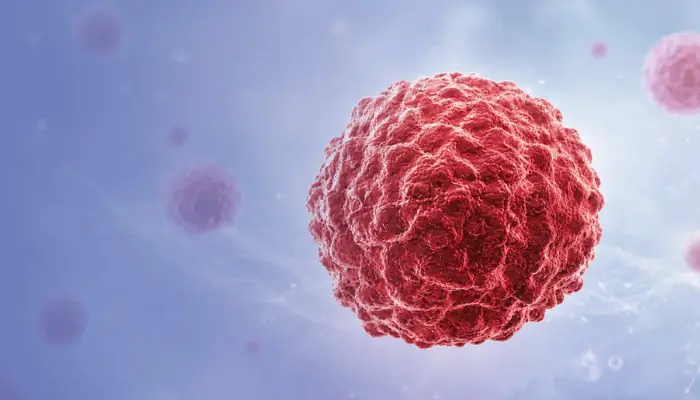
Extracellular vesicles are nanoscale, sphere-like particles secreted by cells. Originally thought to be simple cellular debris, EPs are now recognized as critical messengers that facilitate communication between cells.
Key characteristics of EPs include:
- Size: They range from 30 to 2000 nanometers in diameter.
- Composition: They are encased in a phospholipid bilayer and carry bioactive substances like proteins, lipids, DNA, and micro-RNA.
- Function: They deliver their contents to target cells via receptor binding or endocytosis, directly influencing tissue homeostasis, inflammatory regulation, and mechanical responses.
The Power of Stem Cell-Derived EPs
While traditional stem cell therapies—specifically using Mesenchymal Stem Cells (MSCs)—have shown promise for cartilage repair, they can come with risks such as immunogenic complications, suboptimal engraftment, and high production costs. MSC-derived EPs offer a highly effective “cell-free” alternative that harnesses the regenerative power of stem cells without the associated cellular risks.
Recent systematic reviews of in vivo studies highlight the remarkable potential of human MSC-derived EPs in treating cartilage damage:
- Reduced Cartilage Loss: Treatment with MSC-EPs consistently demonstrates a reduction in cartilage degradation and improved joint appearance.
- Pain Relief: Animal models show significant improvements in pain scores, weight-bearing ability, and overall gait following EPs therapy.
- Inflammation Control: EPs help down-regulate pro-inflammatory cytokines (like IL-1β), creating a better environment for tissue repair.
- Matrix Regeneration: They promote the synthesis of essential cartilage building blocks, such as type II collagen, while suppressing enzymes that break down the extracellular matrix.
Traditional Stem Cells vs. Extracellular Particles (EPs)
To see why this shift is happening, it helps to look at how this cell-free method stacks up against traditional live-cell therapies:
| Feature | Traditional Stem Cell Therapy (MSCs) | Extracellular Particles (EPs) Therapy |
| Therapy Type | Cellular (requires injecting live cells) | Cell-free (uses nanoscale particles secreted by cells) |
| Safety & Immune Risk | Moderate; carries risks of immune rejection or unwanted cell mutation | Extremely low; non-toxic with virtually no risk of tumor formation |
| Storage & Transport | Complex; requires strict cryopreservation to keep cells alive | Highly stable; can be safely frozen or freeze-dried for an “off-the-shelf” solution |
| Cost & Scalability | High cost; notoriously difficult to mass-produce live cells consistently | Highly scalable; easier and more cost-effective to standardize in batches |
| Primary Mechanism | Relies on live cells engrafting into tissue and releasing healing factors | Acts as a direct delivery system, inserting healing factors right into damaged cells |
The Biological “Flash Drive”: How EPs Work
The reason EPs are so effective without needing the actual stem cell comes down to their molecular payload. When injected into an osteoarthritic joint, EPs function like microscopic biological flash drives. They bind to damaged tissue and transfer a payload of specific micro-RNAs, lipids, and proteins that execute three main tasks:
- Cellular Rescue: They signal dying cartilage cells (chondrocytes) to survive and begin multiplying again.
- Inflammation Suppression: They reprogram macrophages (immune cells) in the joint to stop driving inflammation and start promoting tissue repair.
- Enzyme Blocking: They inhibit the specific degradative enzymes (like Matrix Metalloproteinases, or MMPs) that actively eat away at the extracellular matrix of the joint.
Looking Ahead
The therapeutic application of EPs represents a massive leap forward in treating peripheral joint and temporomandibular joint (TMJ) osteoarthritis. Because EPs are non-toxic, carry a low risk of immunogenicity, and can be safely stored via cryopreservation, they offer an exciting, off-the-shelf treatment option for the future. Furthermore, researchers are finding that synovial fluid EPs could even serve as a diagnostic biomarker for identifying OA early.
While currently proven in robust animal models, upcoming randomized clinical trials will be the vital next step toward making this innovative therapy a reality for human patients suffering from joint damage.
Download the Clinical Studies
Download PDF : Extracellular Particles (EPs)