How Cultivating “Killer” Cells Could Change Leukemia Treatment
B-cell chronic lymphocytic leukemia (B-CLL) is the most common leukemia in the Western world. Despite advancements in medicine, it currently remains an incurable disease, driving a massive push for innovative new treatment options. One of the most promising frontiers? Cellular immunotherapy—specifically, leveraging the body’s own Natural Killer (NK) and Natural Killer-like T (NKT) cells.
Here is a closer look at how scientists are training these specialized immune cells outside the body to overcome tumor defenses and fight back against B-CLL.
The Challenge of Tumor Immunosuppression
Our immune system is our first line of defense, but cancer cells are notoriously tricky. Tumors undergo genetic and phenotypic changes that make them nearly invisible to immune cells. Worse, they actively suppress the immune response; in fact, NK cell activity is significantly reduced in the peripheral blood of B-CLL patients compared to healthy donors.
Because of this immunosuppression, patients’ NK cells often become dysfunctional and are unable to mount a proper attack against the leukemia.
Ex Vivo Cultivation (The Cellular “Bootcamp”)
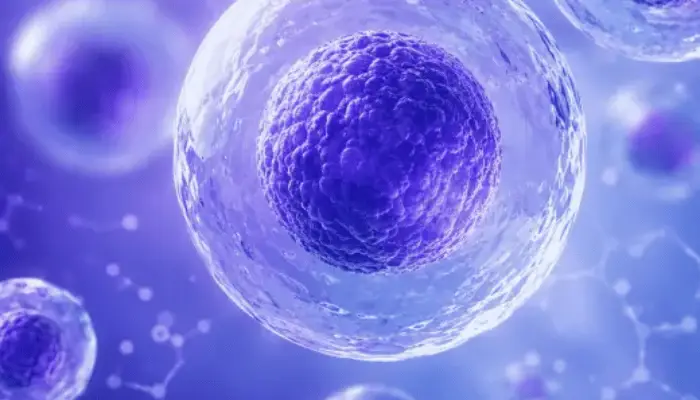
To bypass the suppressive environment of the tumor, researchers are utilizing ex vivo cultivation—a process where immune cells are extracted, grown, and armed in a lab before being returned to the patient.
- Scientists use a carefully selected cocktail of cytokines—such as Interleukin-2 (IL-2), IL-12, IL-15, IL-18, and IL-21—to stimulate the NK cells.
- These cytokines directly influence the cells’ maturation, proliferation, and survival, while massively boosting their cytotoxic (cell-killing) potential.
- To achieve high expansion rates, the NK cells are often cultured alongside autologous accessory cells or growth-inactivated feeder cells.
- This cultivation process upregulates activating receptors on the NK cells, successfully priming them to recognize and kill tumor cells that were previously resistant to an immune attack.
A Breakthrough for B-CLL Patients
Recent studies have proven that expanding these critical killer cells directly from the blood of B-CLL patients is not just possible—it’s highly effective.
- By using IL-2 and anti-CD3 antibodies over a 21-day culture period, researchers achieved a marked expansion of both NK and NKT cells from patient blood samples.
- Patients who were in the “indolent” (slow-progressing) phase of B-CLL showed excellent expansion rates without requiring prior treatment.
- For patients with progressive B-CLL, the expansion capacity of their NK cells noticeably improved after they underwent fludarabine treatment, a common chemotherapy.
- Interestingly, depleting the tumor B-cells before starting the culture did not significantly change the expansion rates of the killer cells, meaning the presence of the malignant cells did not hinder the ex vivo growth process.
Armed and Ready for Battle
The most exciting part of this research is how powerful these cultivated cells become.
Once expanded, the cell populations derived from B-CLL patients demonstrated potent cytotoxic function against target cancer cells. They also expressed high levels of Granzyme B, a crucial enzyme that immune cells use to induce cell death in targeted tumors. Overall, ex vivo cultivated NK cells show increased cytotoxicity and possess the ability to normalize their receptor expression, allowing them to effectively counter tumor-induced immunosuppression.
The Horizon of Cellular Immunotherapy
While the clinical results are incredibly promising, bringing this to the masses involves navigating technical and regulatory hurdles. Transitioning the cultivation process from small laboratory cell culture flasks to automated, closed-system bioreactors is necessary for clinical scale, but it remains a complex challenge. Furthermore, any feeder cell lines used to stimulate growth must pass rigorous regulatory testing to ensure they are safe for human therapies.
Despite these hurdles, the ability to successfully expand and arm a patient’s own NK and NKT cells marks a massive leap forward. By helping the immune system overcome its own blind spots, science is paving the way for a future where incurable diseases like B-CLL might finally meet their match.
Download the Clinical Studies
Download PDF : NK Cells
Download PDF : Articles 1
Download PDF : Articles 2
Download PDF : Articles 3
Download PDF : Articles 4